

The European Physical Society is proud to announce the launch of its new position paper on Physics Bachelor’s Studies in Europe, providing an updated European perspective on the knowledge, skills and competences that physics graduates should acquire and on how bachelor’s programmes can respond to a rapidly changing educational and professional landscape. The new position paper substantially updates the first edition, published in 2009, which was developed primarily in the context of the Bologna Process and the harmonisation of European higher education. The 2026 edition addresses significant global opportunties and challenges that have emerged in recent years to consider the influence of sustainable development, interdisciplinarity, data science, digital technologies, and artificial intelligence, as well as changing workplaces and employer expectations on physics education. Particular attention is given to the transitions students make—from secondary school to university, from bachelor’s to postgraduate study, and from university into employment—as well as to international mobility. The paper also highlights the importance of combining strong disciplinary foundations in physics with generic competences such as problem solving, communication and scientific integrity, and of preparing graduates for increasingly data-rich and interdisciplinary professional environments. Drawing on current research in physics education, the paper brings together recommendations, examples of good practice and evidence-based approaches to teaching, learning, assessment and programme development. Recognising the diversity of higher-education systems and physics programmes across Europe, these recommendations are not intended as a prescriptive curriculum or checklist. Rather, institutions are encouraged to select and adapt approaches that best fit their own objectives, programmes and local circumstances. Prof. Mairi Sakellariadou, EPS vice-president and the project’s initiator, says “I am delighted that the EPS has produced a document that reflects the rapidly changing professional environment our students are entering, including the growing importance of technological and transferable skills in the era of artificial intelligence and increasing international mobility. I hope that its recommendations will help inform and inspire the continuing development of physics education across Europe.” Prof. Andreas Müller, the lead author of the position paper, says “I greatly appreciate the strong voice that the EPS provides for physics and physics education. This position paper helps ensure that physics takes its proper place in a rapidly changing world and that our degree programmes continue to prepare students both for the advancement of the discipline and for the increasingly diverse roles physicists play in society.” About the EPS The European Physical Society (EPS) is a not for profit association whose members include 42 National Physical Societies in Europe, individuals from all fields of physics, and European research institutions. As a learned society, the EPS engages in activities that strengthen ties among the physicists in Europe. As a federation of National Physical Societies, the EPS studies issues of concern to all European countries relating to physics research, science policy and education. About the Physics Bachelor’s Studies Working Group. The group consists of Andreas Müller (University of Geneva Switzerland, andreas.mueller@unige.ch) Eilish McLoughlin (Dublin City University, Ireland) Anne Pawsey (European Physical Society, France) Carlos Damián Rodríguez-Fernández (University of A Coruña, Spain) Stefan Roth (RWTH Aachen University, Germany) Petra Rudolf (University of Groningen, the Netherlands) Mairi Sakellariadou (King’s College London, UK) Sascha Schmeling (CERN, Switzerland)
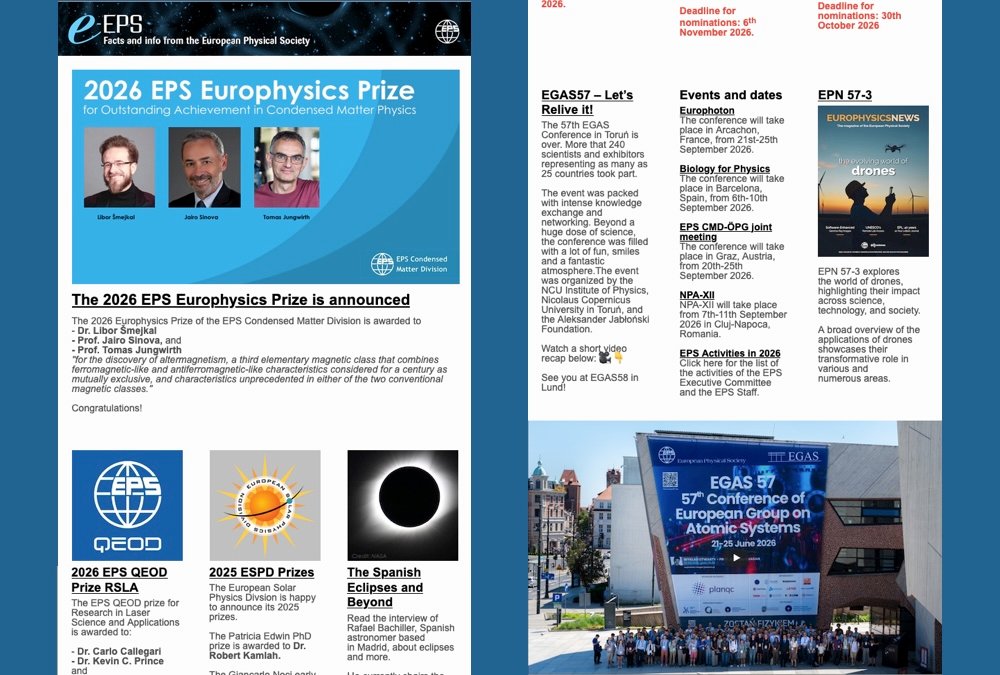
The August 2026 issue of e-EPS is out!
Read the latest issue of our online newsletter here! You will discover the winners of EPS prizes, the calls for the Alessandro Volta Prize and the Lise Meitner Prize, news about our conferences, and much more.
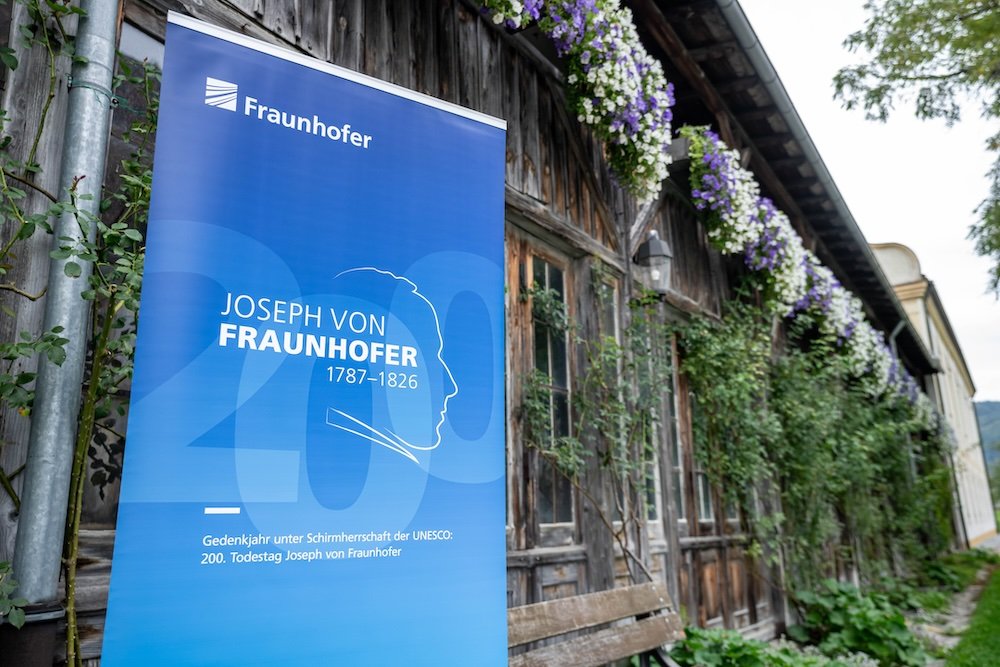
In the press: The Fraunhofer Glassworks declared as an EPS Historic Site
On 18th September 2026, Joseph von Fraunhofer’s Historic Glassworks was inaugurated as an EPS Historic Site. Tha same day, the place reopened as a museum in Benediktbeuern, Germany.
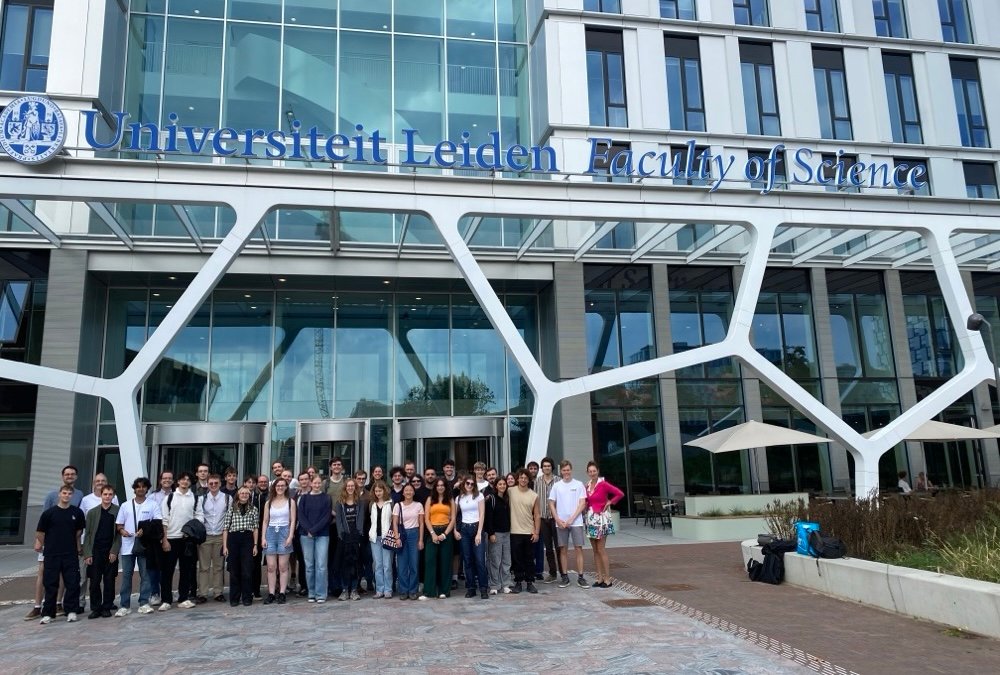
From physics to innovation: EPS-TIG Leiden 2026
Authors: Matthijs Goedings (University Leiden), Barbora Bruant Gulejova (University Zurich) From 24–28 August 2026, EPS-TIG Leiden brought together physics students from universities across Europe for a summer school built around a simple idea: to show how physics connects to technology, innovation, industry and society. Hosted at Leiden University, the week combined research lectures with laboratory visits, hands-on experimental work, company exposure, networking and social activities [1,2]. Rather than treating these as separate worlds, the programme allowed students to follow the route from fundamental questions and experimental techniques to instrumentation, entrepreneurship and societal impact, while building an international community of young physicists along the way. After participants arrived on Monday, the scientific programme began on Tuesday with a broad view of physics at the interface with other fields. Jaco Geuchies discussed spectroscopy, semiconductors and electrochemical processes, showing how optics, instrumentation and materials science come together in modern research [3]. Victor van der Horst and Loraine Gilsing then introduced Leiden’s High-Tech Innovation specialisation and its collaboration between academia and companies [4]. In the afternoon, Frans Snik took students from instruments designed to search for exoplanets back to applications on Earth, including climate research and medical imaging [5,6]. Tjerk Oosterkamp closed the scientific programme with ultra-sensitive measurements and quantum-gravity experiments, followed by a visit to the Ultra Microscopy Lab where students could see the experimental setups themselves [7,8]. Wednesday moved from listening to doing. Students spent the day in Leiden University’s Bachelor Lab working in groups on open-ended experimental assignments. The aim was not simply to reproduce a known result, but to experience the process of experimental physics: understanding an unfamiliar setup, making measurements, solving practical problems and adjusting an approach when things did not immediately work. Working with students from different universities also made the laboratory a place for exchange and collaboration. This hands-on element became one of the most appreciated parts of the week, with participants valuing the freedom to discover things themselves and the realistic experience of experimental research. On Thursday, the programme followed physics further towards technology and entrepreneurship. Khave Lahabi presented the development of SQUID-on-tip technology and the origins of QuantaMap, after which students visited the company itself [9]. The combination made the transition from university research to a technology company tangible [9,10]: students could first hear how an advanced measurement technique emerged from scientific work and then see the environment in which such technology is developed towards applications. Together with the earlier lectures, this gave a broader picture of the many routes physics can take outside a traditional academic trajectory. The final part of the programme widened the perspective once more, from physics and industry to the wider world in which science operates. Barbora Bruant Gulejova and Matthijs Goedings led workshop with lectures on “Big Science’s Impact on Society and Sustainable Development” and “Big Science: Epistemic Organisation and Funding,” followed by an interactive role-play around funding nuclear-fusion research. Students represented scientists and different stakeholder groups and had to negotiate their way towards a collaboration. The exercise was also a live test of the type of multidisciplinary training envisioned within the European Big Science Multidisciplinary Masterclass Programme, in development by leading European Universities [11] and anchored by PERIIA strategic support [12]. The reaction to this final workshop showed why this perspective matters. The module was rated 9 out of 10 on average, and most respondents indicated that they would commit 15–30 additional hours to this kind of training, several willing to go beyond 30 hours. Students particularly valued seeing a side of physics that is rarely discussed. One participant wrote: “It was the first lecture in which I found that physics can really change the world.” The role-play was another highlight, with one student noting that it “opened my eyes on the difficulties of conveying information to different audiences.” Career development, technology transfer, funding, project management and communication with non-STEM audiences all emerged as areas students wanted to understand better. These reactions were part of a much wider enthusiasm for the summer school. In the post-event evaluation, based on 24 responses, EPS-TIG Leiden 2026 received an average overall rating of 9.4 out of 10, with 88% of respondents rating it a 9 or 10. Both the scientific and social programmes averaged 9.2 [13]. Participants repeatedly highlighted the international community, the connection between science and industry, the hands-on experiments and the final-day activities. Several described making genuine connections with physicists from other countries, while one wrote that the event had “basically convinced me to become an experimentalist rather than a theorist.” The feedback also gave clear directions for a future edition, particularly earlier communication and more time or structure for experiments. Above all, however, the week showed the value of bringing together science, technology, industry and society in one programme: not only showing students new physics but giving them a broader view of where that physics can take them. References [1] European Physical Society, Technology and Innovation Group: objectives and hands-on event series. Link[2] EPS-TIG Leiden 2026 – Frontiers of Measurement Techniques, event overview. Link[3] J. J. Geuchies et al., “Quantitative Electrochemical Control over Optical Gain in Quantum-Dot Solids,” ACS Nano 15 (2021), 377–386. Link[4] Leiden University, High-Tech Innovation master’s specialisation. Link[5] Leiden University, “Astronomers and surgeons join forces in the operating theatre” – medical imaging based on exoplanet instrumentation (2025). Link[6] Leiden University, “Strong investment in commercial fine particulate measuring device” – spin-off of astronomical polarimetry for air-quality measurements (2015). Link[7] Leiden University, Oosterkamp Lab: Magnetic Resonance Force Microscopy setup. Link[8] Leiden University, “Measuring the pull of gravity on a micron-sized particle” (2024). Link[9] QuantaMap, quantum metrology and SQUID-on-tip microscopy. Link[10] QuantaMap, “Our first paper demonstrates microscope performance” (2026), linking to the Nano Letters work on multimodal SQUID-AFM microscopy. Link[11] Although open to additional participating organisations, the network promoting this training initiative currently includes the Universities of Genoa and Trieste (Italy), the Italian National Agency for New Technologies, Energy and Sustainable Economic Development (ENEA), and the University of Granada (Spain). Kick-off workshop on training for Big Scientific
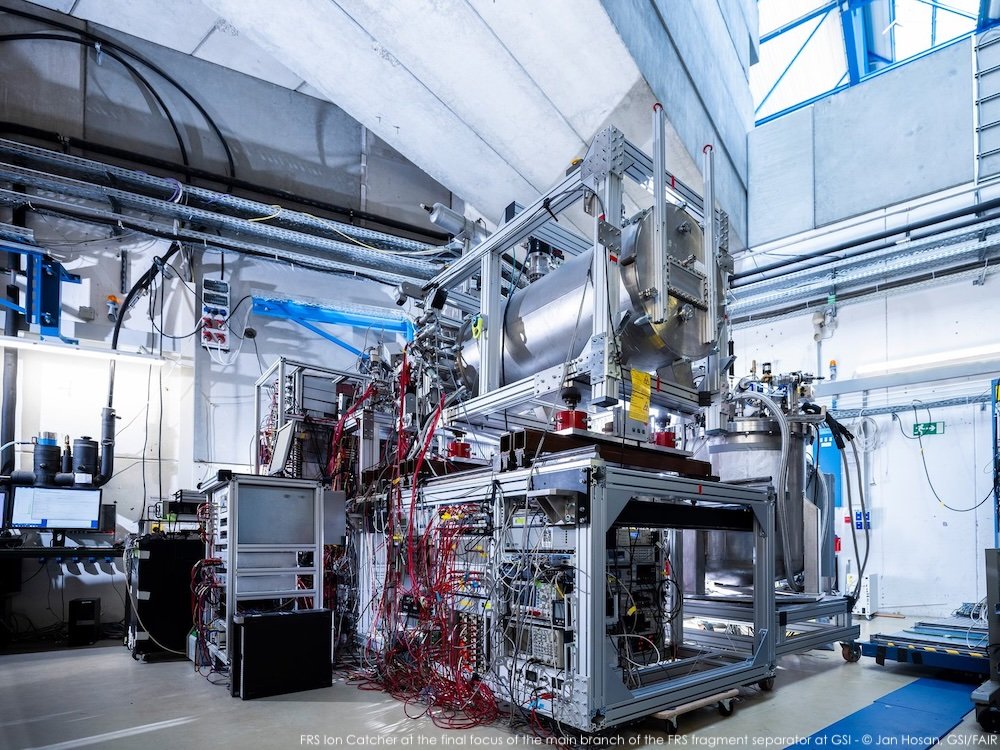
GSI/FAIR research: Innovative method opens up new paths for studying radioactive molecules
An international research team led by the University of Edinburgh, in collaboration with researchers from GSI/FAIR, Justus Liebig University Gießen (JLU), and other partner institutions, has developed a new experimental approach to studying short-lived radioactive molecules. This work lays the cornerstone for a new generation of precision experiments capable of investigating fundamental questions in physics — ranging from the search for physics beyond the Standard Model, which summarizes the current state of knowledge in particle physics, to the chemistry of radioactive elements. The work was carried out as part of the Super-FRS Experiment Collaboration (SEC), which is part of the NUSTAR pillar at the future FAIR accelerator center currently under construction at GSI. The results have now been published in the journal “Nature Communications”. The study focuses on a newly developed experimental method that allows radioactive molecular ions to be formed within a few milliseconds and analyzed with high precision. Among other things, the researchers were able to produce and characterize the formation of molecular radium fluoride (RaF⁺), polonium fluoride (PoF⁺), and lead fluoride (PbF⁺) ions. All elements heavier than bismuth consist exclusively of radioactive isotopes and are available only in extremely small quantities. Until now, their study has been almost exclusively relied on production at large accelerator centers or research reactors. The newly developed method combines the collection (harvest) of decay products from radioactive sources in a high-purity gas cell with rapid in-trap ion-molecule reactions and high-resolution time-of-flight mass spectrometry. This makes it possible to study even isotopes with half-lives of only a few hundred milliseconds. Looking ahead, this opens up the possibility of systematically studying radioactive molecules in the future at universities and other research institutions complementing experiments at large accelerator facilities. The experiments were conducted at GSI’s FRS Ion Catcher. The work now presented serves as an example of how close collaboration between universities and major research institutions can open up new fields of research, and how the cutting-edge technologies at GSI/FAIR could serve as a pioneering force for decentralized research at universities that do not have their own on-site accelerators. At the University of Edinburgh, the RAFICI project (Radium Fluoride Ion Catcher Instrument) is working on developing a compact, cost-effective implementation of the concept suitable for university laboratories. Dr. Moritz Pascal Reiter, Reader at the University of Edinburgh, explains: “Radioactive molecules offer enormous potential for fundamental physics, but also for groundbreaking applications such as targeted cancer therapy. Until now, however, research in this area has been strictly limited to accelerator labs. We launched the RAFICI project with the goal of bringing radioactive molecules directly to the lab bench. The advanced technology of the FRS Ion Catcher was the key to successfully demonstrating this decentralized approach.” In the experiments at GSI, the researchers were able to show that they could generate even extremely short-lived radioactive molecular ions using a radioactive source. “This opens up a completely new avenue that provides laboratories worldwide with direct and straightforward access,” emphasizes Dr. Reiter. The recently published paper also marks the start of a long-term research program. In the coming years, further experiments are planned — both with radioactive ion beams at GSI and the future FAIR facility, as well as beam-independent experiments using the new method, in which radioactive molecules will be used directly for chemical and physical investigations. Dr. Timo Dickel, head of the Thermalisated Exotic Nuclei group at GSI/FAIR, emphasizes: “At the FRS Ion Catcher, we are establishing a diverse long-term offline program that, among other things, enables the study of radioactive molecules independently of accelerator operations.” The goal is to establish systematic investigations of radioactive molecules and thereby create new opportunities for precision experiments, the search for new physics, and applications in radiochemistry and nuclear medicine. GSI in an EPS Associate Member.
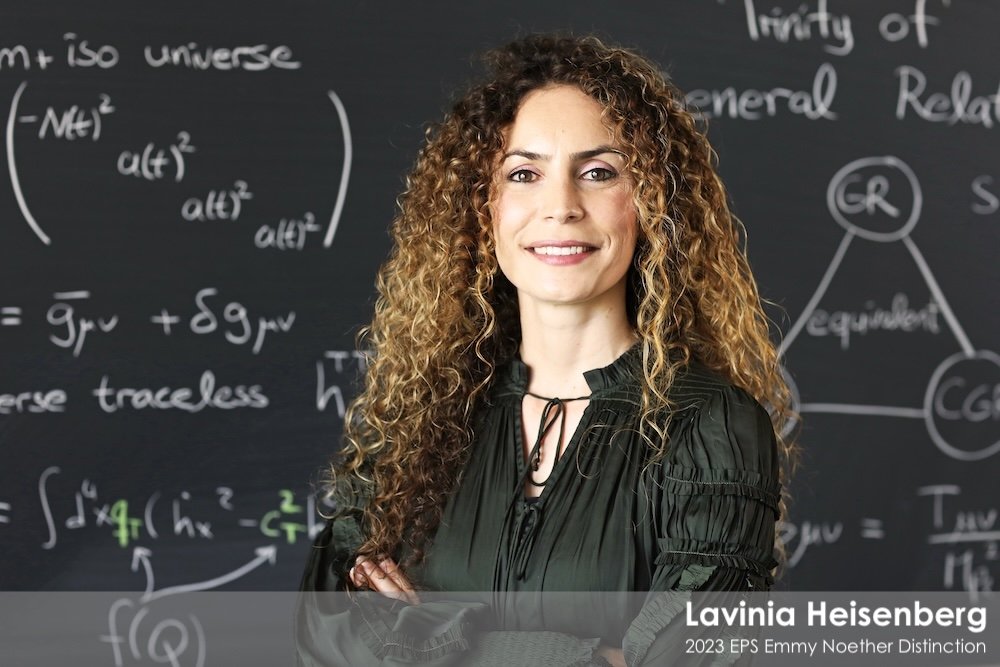
Gravity, curiosity and the courage to question the obvious
An interview with Professor Lavinia Heisenberg, 2023 EPS Emmy Noether Distinction laureate – Author: Petra Rudolf What does it mean to understand gravity? How much can we trust our most successful theories? And what happens when we dare to question the framework that has shaped our understanding of the Universe for more than a century? For Prof. Lavinia Heisenberg, these are not merely abstract questions. They are at the heart of her scientific journey. A professor of theoretical physics at Heidelberg University, Heisenberg works at the intersection of gravitational physics, cosmology and fundamental physics. Her research explores possible extensions of General Relativity and seeks to understand what gravity may be telling us about the deepest structure of the Universe. More recently, her interests have also reached into black-hole physics and gravitational waves. Her work has earned her numerous distinctions, including the ETH Zurich Latsis Prize, the Buchalter Cosmology Prize, the Gustav-Hertz Prize of the German Physical Society and the General Physics Prize of the Swiss Physical Society. In 2023 she was selected as a mid-career laureate of the EPS Emmy Noether Distinction, recognising both her scientific contributions and her engagement for women in science and outstanding leadership. You work on some of the deepest questions in physics. Where did your fascination with gravity begin? I think it started with a very simple feeling of curiosity. As a child, I was fascinated by phenomena where you could observe an effect without seeing the underlying cause. I remember wondering why two magnets could repel each other even though there seemed to be nothing connecting them. Later, I became increasingly fascinated by astrophysical phenomena and by the Universe as a whole. There is something extraordinary about the fact that a relatively small set of fundamental laws can describe structures ranging from elementary particles to stars, black holes and the evolution of the entire Universe. Gravity is particularly fascinating because it is simultaneously extremely familiar and profoundly mysterious. We experience it every second of our lives, yet when we ask what gravity actually is at the most fundamental level, we still encounter deep questions. That combination — something so familiar and yet so mysterious — is incredibly motivating. You have described General Relativity as one of the great achievements of human thought. Why, then, do you want to go beyond it? I would never describe the search for new theories as a rejection of General Relativity. Quite the opposite. General Relativity is one of the most beautiful and successful theories we have ever developed. But precisely because it is so successful, it provides us with an extraordinarily precise framework against which we can ask where the remaining mysteries are. We know that General Relativity and quantum mechanics do not yet fit together into a complete description of nature. We also know that our standard cosmological model contains profound puzzles concerning dark energy, dark matter and the evolution of the early Universe. So the question is not simply, “Is Einstein wrong?” The much more interesting question is: “What is the deeper theory of which General Relativity might be a limiting case?” For me, that is where the real excitement begins. Your work explores generalisations of General Relativity. What does that mean in more intuitive terms? One way of thinking about it is that Einstein taught us that gravity is geometry: matter and energy influence the geometry of space-time, and that geometry determines how matter moves. We can then ask whether the geometry of space-time could have a richer structure than the one assumed in the simplest formulation of General Relativity. In my work, I have explored theories in which additional geometric structures play a role. The aim is not to introduce complexity for its own sake. The real challenge is to find theories that are mathematically consistent, physically meaningful and testable. Ultimately, physics is an experimental science. A beautiful theory is only the beginning. We want to know whether nature actually chose it. Cosmology has recently become particularly exciting, with tensions between different observations. Does this suggest that something fundamental may be missing? It certainly makes the present period very interesting. We have an extraordinarily successful standard cosmological model, and at the same time we are seeing increasingly precise observations that challenge some of its details. The so-called Hubble tension is one prominent example, and there are other discrepancies that we are trying to understand. What I find particularly interesting is that these tensions force us to look at the problem from several directions at once. Is there a problem with the observations? Is there new astrophysical physics that we do not yet understand? Or could there be something fundamental missing from our description of gravity or cosmology? We should keep all three possibilities open. This is one reason why I find theoretical physics so exciting. Sometimes an inconsistency or a tension is not an inconvenience. It can be a clue. You have also increasingly worked on black holes and gravitational waves. What makes these objects so compelling? Black holes are remarkable because they push our theories to their limits. They are regions where gravity becomes extremely strong, and they connect several areas of fundamental physics: General Relativity, astrophysics, quantum theory and cosmology. Gravitational waves have added another dimension to this story. We are no longer limited to observing the Universe through electromagnetic radiation. We can literally listen to ripples in space-time produced by some of the most violent events in the cosmos. This opens a completely new window on fundamental physics. And it gives us something that theorists desperately need: new ways of testing our ideas. You are a theoretical physicist. What does a successful day of research actually look like? There is probably no such thing as a typical day. Sometimes it is hours at a blackboard trying to understand one equation. Sometimes it is a discussion with a student or a collaborator that suddenly changes the way you think about a problem. Sometimes you spend days pursuing an idea that eventually
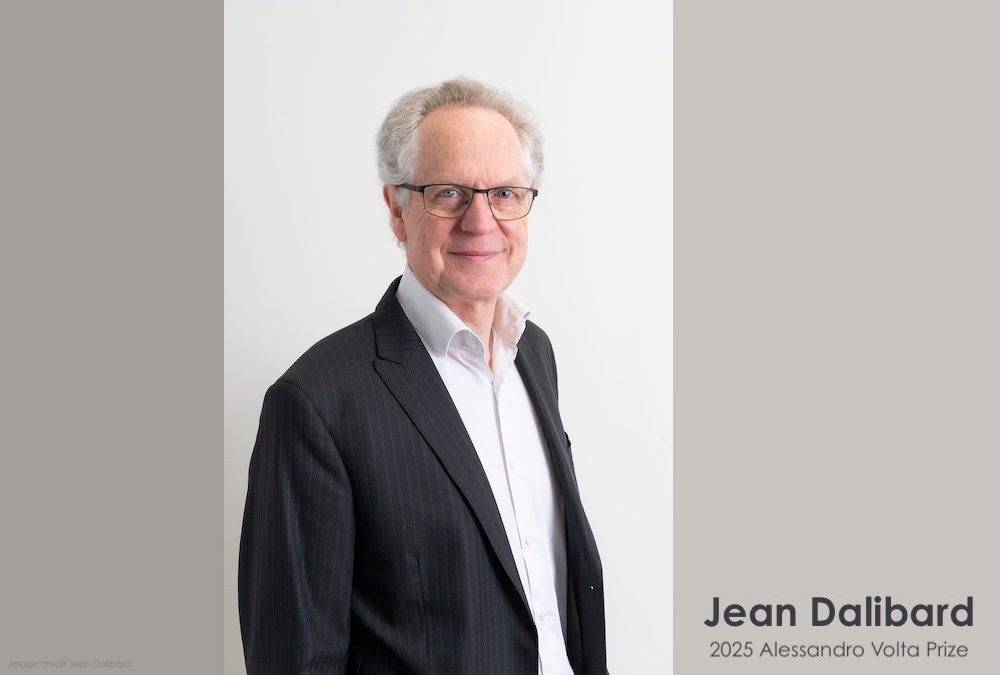
An interview with Jean Dalibard: we work together to understand Nature
Author: Gina Gunaratnam Jean Dalibard is a researcher and a professor of physics at the Collège de France. He was awarded the 2025 Alessandro Volta prize. A ceremony dedicated to the first edition of this prize and to his research will be organised on 2nd October in Como, Italy. Could you describe your current field of research? My research is focused on quantum matter. I study ensembles of particles at ultra-low temperatures, a field of wide range of applications, including atomic clocks, quantum sensors, quantum simulators and quantum computers, to name just a few. Cooling gases to extremely low temperatures allows for the reproduction and investigation of quantum phenomena that are not yet fully understood, such as superconductivity. It also makes it possible to perform quantum simulations of physical systems that are difficult or impossible to reproduce directly in the laboratory, such as the extreme conditions found in neutron stars for example. What are the challenges of this field? The main challenge is to create environments that allow us to simulate the phenomena we are interested in and to discover new effects. This involves lowering the temperature of our samples, tailoring the landscape in which the particles move, and controlling how they interact with one another. These advances benefit both metrology by enabling significant gain in the precision of sensors, and to quantum many-body physics, by allowing us to explore new aspects of collective quantum behaviour. In May 2026, you were awarded the Alessandro Volta Prize for “pioneering contributions to laser cooling and light–matter interactions, and for groundbreaking experimental and theoretical achievements in the quantum many-body physics of ultracold gases“. Could you give us details about these contributions and achievements? This prize recognises a life’s work. I had the chance to study cold atoms when a lot of discoveries and work were still to accomplish. The first lasers were invented and built in the 1960s, and about a decade later, tunable lasers were developed, allowing their colour, and hence their wavelength, to be adjusted to a very precise value. It was soon realized that these lasers could exert significant forces on atoms and provide a powerful way of controlling their motion and trajectories. By the end of the 1970s, I was a young student, and at that time it was possible to work in this field with relatively simple ideas. And I was fortunate to have a few of those ideas myself! Together with Claude Cohen-Tannoudji, who was awarded the Nobel Prize in Physics in 1997, I developed what is now known as “Sisyphus cooling,” a laser-based technique for cooling atoms down to extremely low temperatures.[1] Later I also proposed the idea of the magneto-optic trap (MOT) that is very much in use today. The MOT is “an apparatus which uses laser cooling and a spatially varying magnetic field to create a trap which can produce samples of cold neutral atoms. Temperatures achieved in a MOT can be as low as several microkelvins, depending on the atomic species.” [2], [3] I was lucky to do both theoretical and experimental physics, whereas nowadays the trend is to specialise more in one of them. I still try to maintain both. You were awarded numerous prizes and distinctions. What does the Alessandro Volta prize bring to you? This prize launched by the European Physical Society (EPS) and Gruppo Acinque is very prestigious. I am very honoured to be awarded this distinction. The EPS is a learned society that is world-famous. I think the role of such a society is very important. It does not have financial interests or the need to please anyone who would tell them what to do and what to think. At a time when “alternative truth” is spread all over the world, its role is to establish the “true truth”, i.e., factual truth. Why did you study physics? Are there scientists who inspired you for your studies? I often quote two reasons that encouraged me to study physics. Firstly, I was a young boy in 1969 when humans walked on the Moon. For youngsters it was amazing. Even though I didn’t really want to walk on the Moon myself I thought it would be fantastic to be part of it, in the NASA room where you could control and follow this event. The second reason is more personal. One of my grandfathers was a miller and he possessed a water mill. I was five or six years old and fascinated to see the mill running. The big rotating wheels were driving a system of pulleys, making the sacks of wheat be carried from one place to another and all sorts of mechanisms were put into movement that I wished to understand. The combining of the two made me feel like working in science and technology. I chose my particular field mainly because of decisive encounters. An example of motivating teachers was Claude Cohen-Tannoudji. The way he was doing research was so interesting and he presented it such an elegant way that I was very motivated to work with him. He accepted to be the supervisor of my PhD thesis. Two other scientists inspired me a lot: Alain Aspect, with whom I worked during my master’s thesis on the Bell inequalities, and for which he received the Nobel prize in 2022. Finally, William Phillips, one of the first experimentalists on cold atoms, was also an inspiration to me. I had the chance to undertake an internship in his laboratory. With such talented physicists, I was well gifted for my career. Both Alain Aspect and William Phillips will attend the Alessandro Volta prize ceremony in Como and give a lecture. What would you say to youngsters to encourage them to study physics? I would like to start with a remark on the importance of studying science in general. We sometimes see young people turning away from science, holding it responsible for the problems facing the world. I believe, on the contrary, that acquiring a solid scientific background is essential

Call for bids Nuclear Physics in Astrophysics Conference 2028 (NPA-XIII 2028)
Call for bids to host the Nuclear Physics in Astrophysics Conference in 2028 (NPA-XIII 2028) The board of the Nuclear Physics Division (NPD) of the European Physical Society (EPS) is seeking candidates to host the 2028 edition of the Conference on Nuclear Physics in Astrophysics (NPA-XIII 2028). Every two years the Nuclear Physics in Astrophysics Conference brings together researchers from a multi-disciplinary community of experimental and theoretical nuclear physicists, astronomers, astrophysicists and cosmo-chemists to discuss the current challenges of this exciting and fast developing research field. The NPA conference is part of the series of NPD divisional conferences, comprising the European Nuclear Physics Conference (EuNPC) and the Applied Nuclear Physics (ANP) Conference. The application material should include: The bid should also provide the list of members composing the Local Organizing Committee. As the NPA conference is part of the series organized by the Nuclear Physics Division: In the case of proceedings, it is strongly recommended to select those appearing on a refereed journal. The procedure should be defined in advance, and the proceedings must be accessible to all conference speakers. The conference could apply to be recognized as an EPS conference and may also request an EPS poster prize and/or a grant for early-career researchers. The deadline to submit the application material to the Scientific Secretary and Chair of the NPD board (Raquel Crespo, raquel.crespo[@]tecnico.ulisboa.pt and Araceli Lopez-Martens, araceli.lopez-martens[@]ijclab.in2p3.fr) is January 31st, 2027. The candidates will be invited to present their proposal at the NPD board online meeting in February 2027, when the selection of the NPA-XIII 2028 conference will be made.
IUPAP, C17 “Laser Physics and Photonics”: Call for Nominations for Early Career Scientist Prizes
The C17 “Laser Physics and Photonics” committee of the IUPAP (International Union for Pure for Applied Physics) announces a call for nominations for its 2026 Early Scientist Career Prize, with two categories, “fundamental research” and “applied research”. All necessary information, including nomination modalities, is detailed at https://iupap.org/who-we-are/internal-organization/commissions/c17-laser-physics-and-photonics/c17-news/ The deadline for nominations is 30th September 2026.
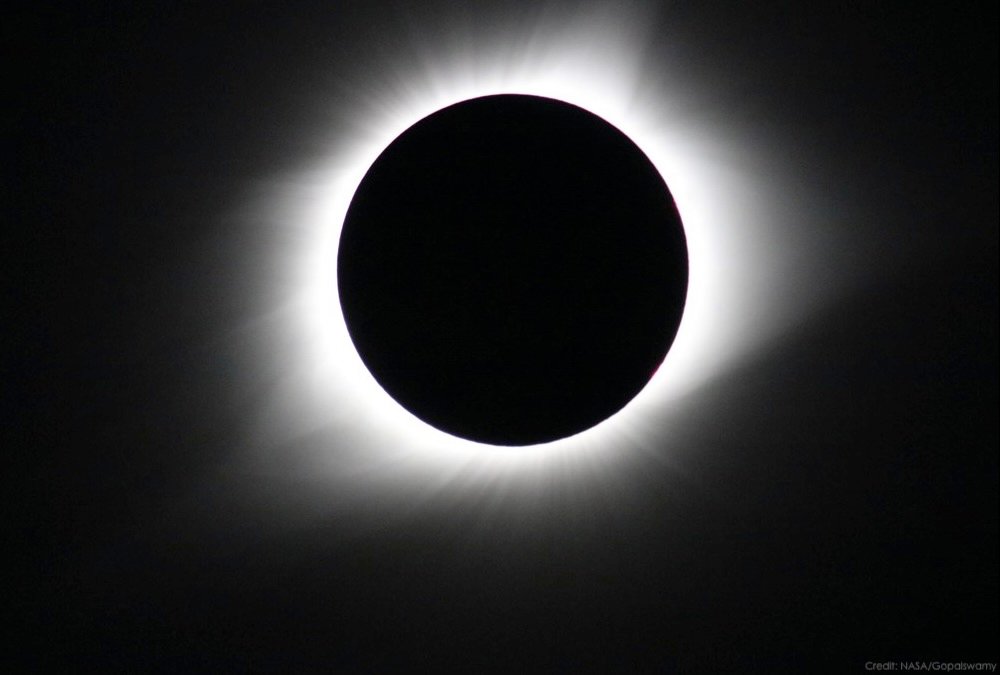
The Spanish Eclipses and Beyond
Rafael Bachiller is an astronomer and Director of the Spanish National Astronomical Observatory and the Royal Observatory of Madrid, both part of the National Geographic Institute of Spain (IGN). His research focuses on star formation, planetary nebulae and the interstellar medium. He has also gained international recognition through his contributions to the study of star formation and planetary nebulae. He currently chairs the Scientific Committee of the Spanish Eclipse Trio (2026–2028), coordinating the scientific research and public outreach activities associated with this exceptional sequence of two total and one annular solar eclipses visible from Spain. He was interviewed at the occasion of the first of the series. A solar eclipse occurs when the Moon passes precisely between the Earth and the Sun. Although the Moon is about 400 times smaller in diameter than the Sun, it is also approximately 400 times closer to us, so both bodies appear to have nearly the same angular size in the sky. This remarkable coincidence allows the Moon to completely obscure the solar photosphere during a total eclipse. However, the Moon’s umbral shadow is only a few hundred kilometres wide when it reaches the Earth’s surface. Observers located inside this narrow corridor experience totality, while those outside remain within the penumbra and see only a partial eclipse. The difference is far greater than the terminology might suggest: during totality the sky darkens dramatically, the brightest planets and stars become visible, the temperature drops, and the solar corona suddenly emerges. None of these phenomena can be experienced during even a very deep partial eclipse. The eclipse of 12 August 2026 is exceptional for several reasons. It is the first of an extraordinary sequence of two total and one annular eclipse crossing Spain between 2026 and 2028. It will be the first total solar eclipses visible from mainland Spain for more than a century. Moreover, it occurs close to sunset, offering unique opportunities to observe the eclipsed Sun against historical landscapes while posing interesting observational challenges. Eclipses have been recorded for more than three thousand years, with the earliest written accounts coming from Mesopotamia and ancient China. For much of human history they were interpreted as supernatural events or divine omens capable of influencing the fate of kingdoms. One of the earliest scientific explanations was proposed by Anaxagoras in the fifth century BC, who recognised that eclipses result from the relative motions of the Sun, Earth and Moon. This represented a major intellectual milestone: eclipses became one of the first celestial phenomena to be understood in purely natural terms rather than through mythology. Babylonian astronomers later discovered the approximately 18-year Saros cycle, allowing remarkably successful empirical predictions without a complete physical explanation, although they could not predict where on Earth totality would be visible. The real revolution came with Newton’s Philosophiæ Naturalis Principia Mathematica in 1687. Universal gravitation transformed eclipses into fully predictable consequences of celestial mechanics. Since then, increasingly accurate orbital theories have allowed eclipse predictions with remarkable precision, making them one of the most impressive demonstrations of the predictive power of classical physics. Total solar eclipses remain unique natural laboratories for investigating the coupled Sun-Earth system. Although modern coronagraphs can artificially occult the solar disc, thereby reproducing many of the observing conditions of a total eclipse, natural eclipses still provide one of the very best opportunities to investigate the innermost solar corona, where many fundamental questions concerning coronal heating, magnetic field topology and the origin of the solar wind remain open. At the same time, eclipses provide ideal conditions for studying the response of the Earth’s atmosphere and ionosphere to the abrupt reduction in solar irradiance. During the first Spanish eclipse on 12 August 2026, several coordinated campaigns monitored atmospheric dynamics, ionospheric disturbances and thermal variations, while high-altitude balloon experiments observed the passage of the lunar shadow from the stratosphere. The contribution of amateur astronomers to such projects is highly valuable. Their observations greatly increase geographical coverage and temporal sampling, while modern digital instrumentation often allows data of remarkable scientific quality. In this respect, total eclipses illustrate particularly well how professional research and citizen science can complement each other. Beyond the scientific return, eclipses represent an extraordinary opportunity to engage society with physics and astronomy. Very few natural phenomena succeed in bringing together researchers, educators and millions of citizens around the same scientific event. As Director of the Spanish National Astronomical Observatory and Chair of the Scientific Committee for the Spanish Eclipse Trio (2026–2028), one of my main responsibilities has been coordinating scientific activities, public outreach and collaboration among the many institutions involved in these exceptional events. The National Astronomical Observatory is Spain’s oldest astronomical institution (it is currently part of the National Geographic Institute). From this institution, major scientific expeditions were organised to observe the total solar eclipses visible from Spain in 1860, 1870, 1900, 1905, 1912 and 1959. In this sense, my current involvement in the Eclipse Trio is a natural continuation of one of the Observatory’s oldest scientific traditions. This continuity over more than 160 years illustrates how scientific institutions preserve knowledge across generations while constantly adapting to new scientific questions and technologies. The scale of the Eclipse Trio also prompted the Spanish Government to establish an Interministerial Committee, operating at a governmental level alongside the Scientific Committee, highlighting how a major astronomical event can extend well beyond science to involve education, civil protection, tourism and public engagement. Large eclipses naturally transcend national boundaries. They encourage cooperation between solar physicists, atmospheric scientists, geodesists, observatories, universities, public administrations and amateur organisations. Throughout my scientific career I have also participated in numerous international collaborations, both in astrophysical research and in science communication, because astronomy has always been an intrinsically international discipline. One of the principal objectives of the Scientific Committee has been to ensure that these eclipses leave a lasting legacy. Beyond the scientific observations themselves, we hope they will strengthen scientific culture, promote dark-sky protection and encourage sustainable astrotourism throughout southern Europe. My interest began during childhood, under the dark skies