Authors: Matthijs Goedings (University Leiden), Barbora Bruant Gulejova (University Zurich)
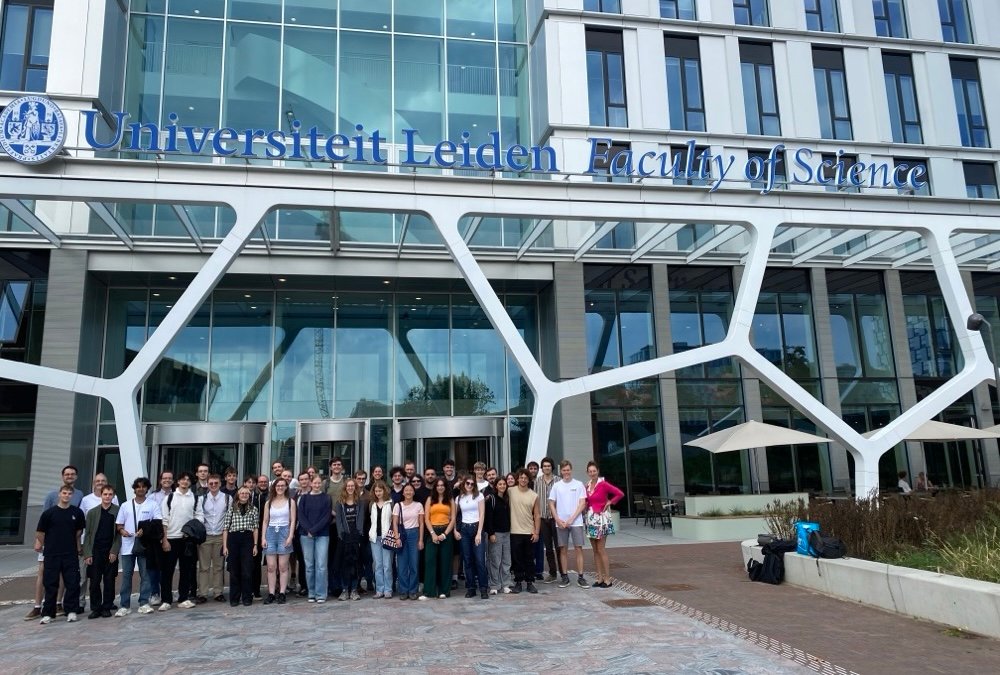
From 24–28 August 2026, EPS-TIG Leiden brought together physics students from universities across Europe for a summer school built around a simple idea: to show how physics connects to technology, innovation, industry and society. Hosted at Leiden University, the week combined research lectures with laboratory visits, hands-on experimental work, company exposure, networking and social activities [1,2]. Rather than treating these as separate worlds, the programme allowed students to follow the route from fundamental questions and experimental techniques to instrumentation, entrepreneurship and societal impact, while building an international community of young physicists along the way.
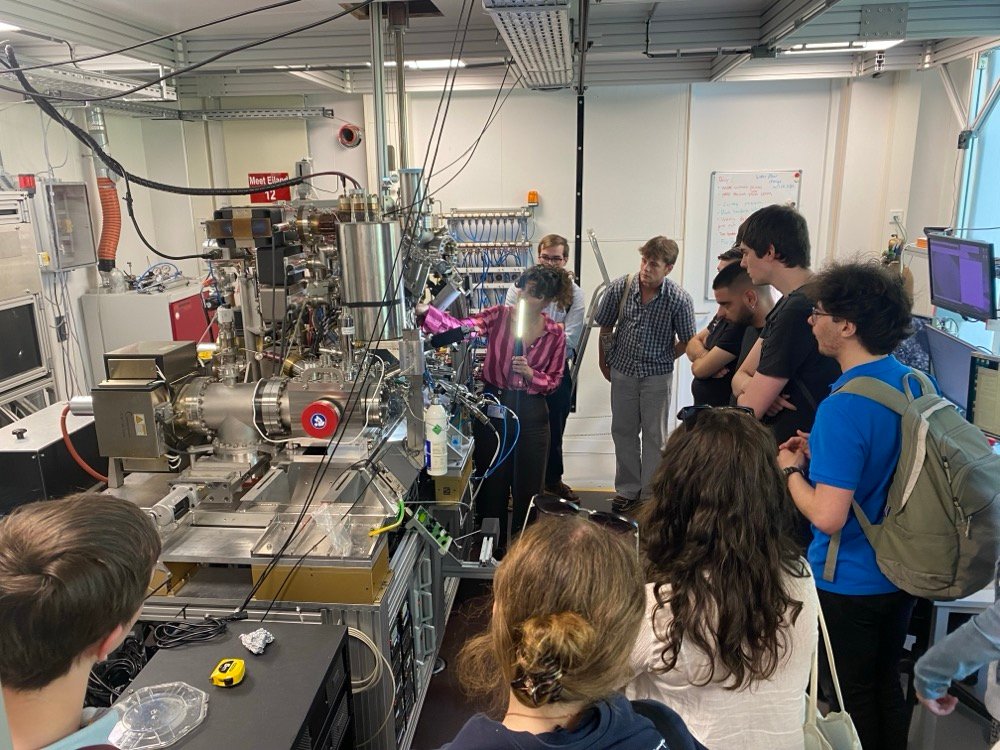
After participants arrived on Monday, the scientific programme began on Tuesday with a broad view of physics at the interface with other fields. Jaco Geuchies discussed spectroscopy, semiconductors and electrochemical processes, showing how optics, instrumentation and materials science come together in modern research [3]. Victor van der Horst and Loraine Gilsing then introduced Leiden’s High-Tech Innovation specialisation and its collaboration between academia and companies [4]. In the afternoon, Frans Snik took students from instruments designed to search for exoplanets back to applications on Earth, including climate research and medical imaging [5,6]. Tjerk Oosterkamp closed the scientific programme with ultra-sensitive measurements and quantum-gravity experiments, followed by a visit to the Ultra Microscopy Lab where students could see the experimental setups themselves [7,8].
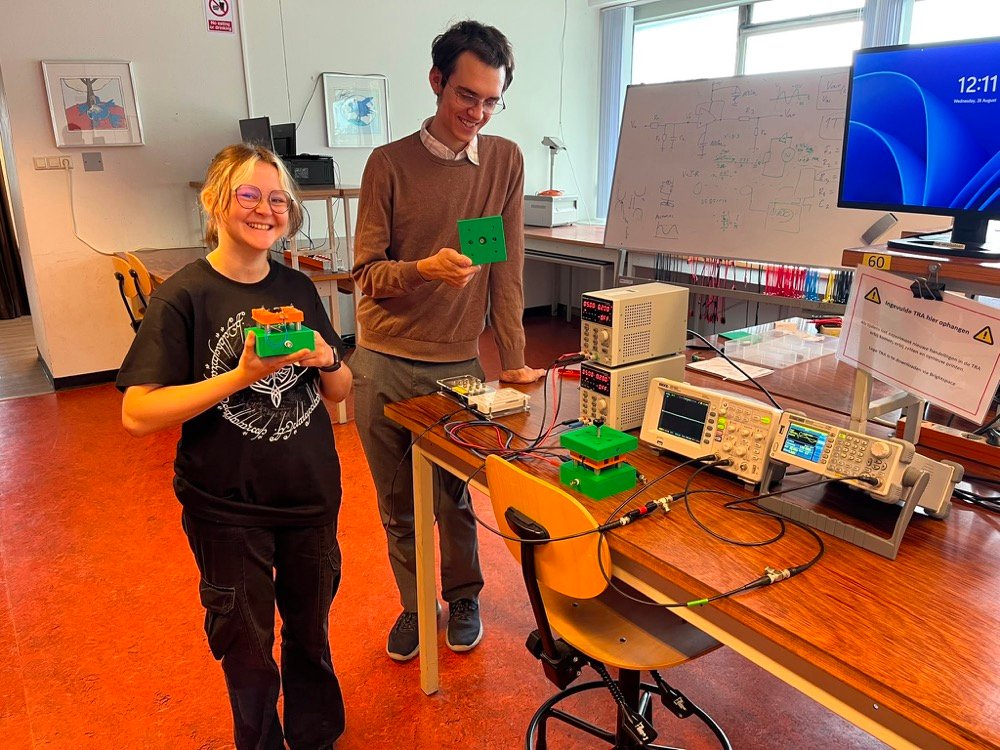
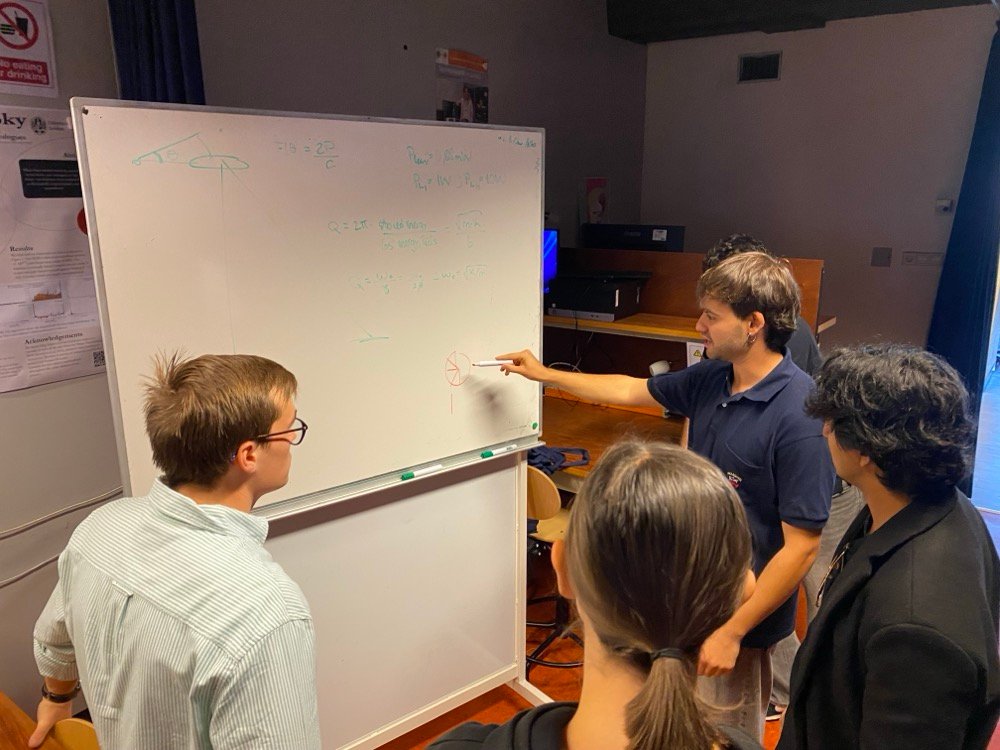
Wednesday moved from listening to doing. Students spent the day in Leiden University’s Bachelor Lab working in groups on open-ended experimental assignments. The aim was not simply to reproduce a known result, but to experience the process of experimental physics: understanding an unfamiliar setup, making measurements, solving practical problems and adjusting an approach when things did not immediately work. Working with students from different universities also made the laboratory a place for exchange and collaboration. This hands-on element became one of the most appreciated parts of the week, with participants valuing the freedom to discover things themselves and the realistic experience of experimental research.
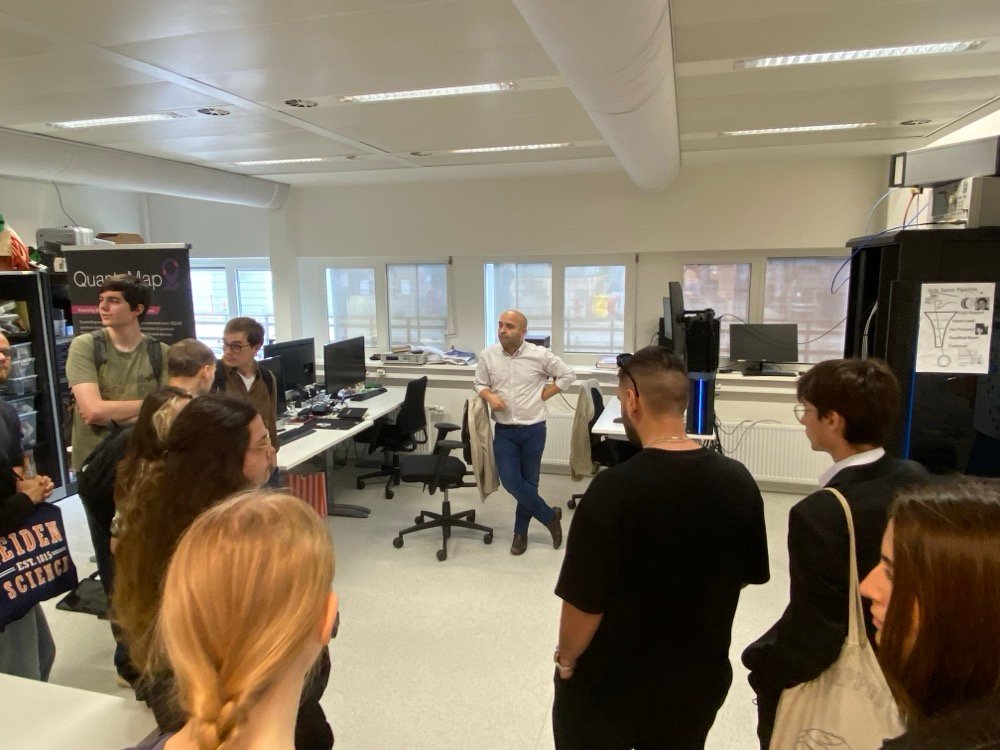
On Thursday, the programme followed physics further towards technology and entrepreneurship. Khave Lahabi presented the development of SQUID-on-tip technology and the origins of QuantaMap, after which students visited the company itself [9]. The combination made the transition from university research to a technology company tangible [9,10]: students could first hear how an advanced measurement technique emerged from scientific work and then see the environment in which such technology is developed towards applications. Together with the earlier lectures, this gave a broader picture of the many routes physics can take outside a traditional academic trajectory.
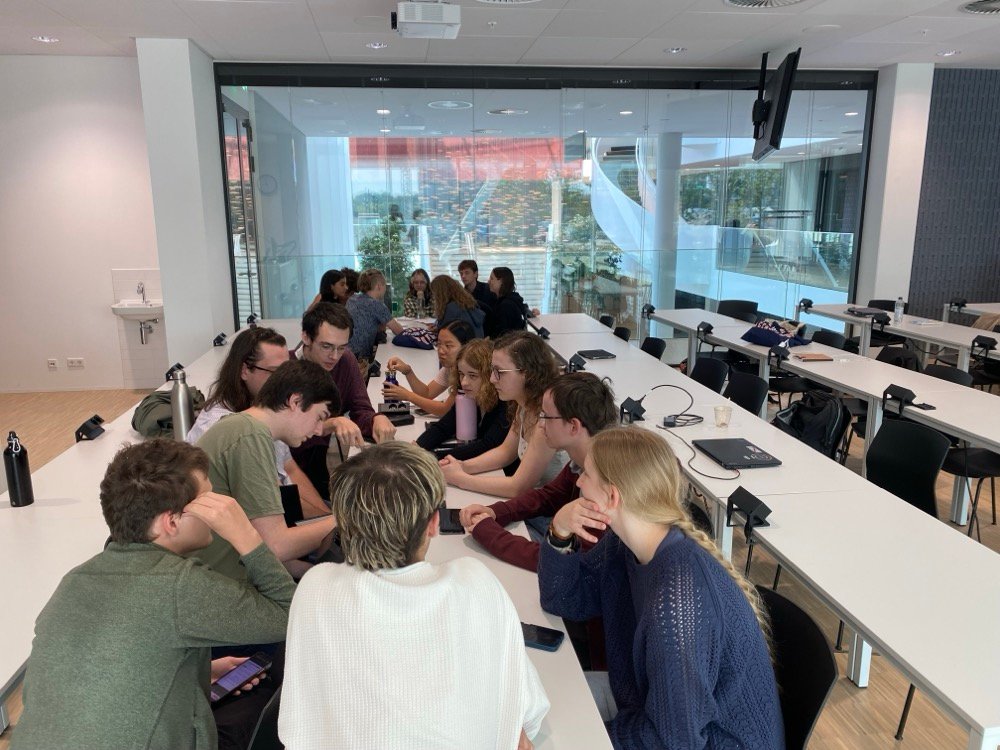
The final part of the programme widened the perspective once more, from physics and industry to the wider world in which science operates. Barbora Bruant Gulejova and Matthijs Goedings led workshop with lectures on “Big Science’s Impact on Society and Sustainable Development” and “Big Science: Epistemic Organisation and Funding,” followed by an interactive role-play around funding nuclear-fusion research. Students represented scientists and different stakeholder groups and had to negotiate their way towards a collaboration. The exercise was also a live test of the type of multidisciplinary training envisioned within the European Big Science Multidisciplinary Masterclass Programme, in development by leading European Universities [11] and anchored by PERIIA strategic support [12].
The reaction to this final workshop showed why this perspective matters. The module was rated 9 out of 10 on average, and most respondents indicated that they would commit 15–30 additional hours to this kind of training, several willing to go beyond 30 hours. Students particularly valued seeing a side of physics that is rarely discussed. One participant wrote: “It was the first lecture in which I found that physics can really change the world.” The role-play was another highlight, with one student noting that it “opened my eyes on the difficulties of conveying information to different audiences.” Career development, technology transfer, funding, project management and communication with non-STEM audiences all emerged as areas students wanted to understand better.
These reactions were part of a much wider enthusiasm for the summer school. In the post-event evaluation, based on 24 responses, EPS-TIG Leiden 2026 received an average overall rating of 9.4 out of 10, with 88% of respondents rating it a 9 or 10. Both the scientific and social programmes averaged 9.2 [13]. Participants repeatedly highlighted the international community, the connection between science and industry, the hands-on experiments and the final-day activities. Several described making genuine connections with physicists from other countries, while one wrote that the event had “basically convinced me to become an experimentalist rather than a theorist.” The feedback also gave clear directions for a future edition, particularly earlier communication and more time or structure for experiments. Above all, however, the week showed the value of bringing together science, technology, industry and society in one programme: not only showing students new physics but giving them a broader view of where that physics can take them.
References
[1] European Physical Society, Technology and Innovation Group: objectives and hands-on event series. Link
[2] EPS-TIG Leiden 2026 – Frontiers of Measurement Techniques, event overview. Link
[3] J. J. Geuchies et al., “Quantitative Electrochemical Control over Optical Gain in Quantum-Dot Solids,” ACS Nano 15 (2021), 377–386. Link
[4] Leiden University, High-Tech Innovation master’s specialisation. Link
[5] Leiden University, “Astronomers and surgeons join forces in the operating theatre” – medical imaging based on exoplanet instrumentation (2025). Link
[6] Leiden University, “Strong investment in commercial fine particulate measuring device” – spin-off of astronomical polarimetry for air-quality measurements (2015). Link
[7] Leiden University, Oosterkamp Lab: Magnetic Resonance Force Microscopy setup. Link
[8] Leiden University, “Measuring the pull of gravity on a micron-sized particle” (2024). Link
[9] QuantaMap, quantum metrology and SQUID-on-tip microscopy. Link
[10] QuantaMap, “Our first paper demonstrates microscope performance” (2026), linking to the Nano Letters work on multimodal SQUID-AFM microscopy. Link
[11] Although open to additional participating organisations, the network promoting this training initiative currently includes the Universities of Genoa and Trieste (Italy), the Italian National Agency for New Technologies, Energy and Sustainable Economic Development (ENEA), and the University of Granada (Spain). Kick-off workshop on training for Big Scientific Organisation, University Granada (2025). Link
[12] PERIIA (Pan European Network of Industry Liaison Officers with Big Science Infrastructures) Link
[13] EPS-TIG Leiden 2026 post-event questionnaire, 24 responses (internal event evaluation, 2026).