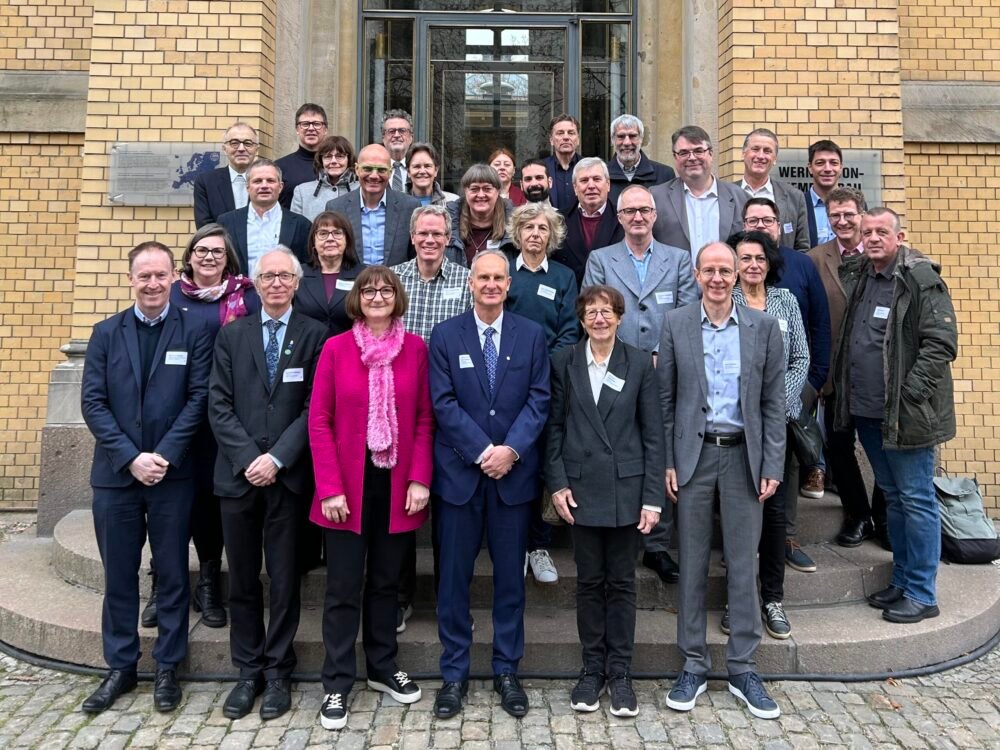
The presidents of physics societies from more over than 20 countries gathered in Berlin for an exchange of ideas and a working meeting to collaborate and exchange ideas. The event was hosted by the German Physical Society (Deutsche Physikalische Gesellschaft) and the European Physical Society (EPS).
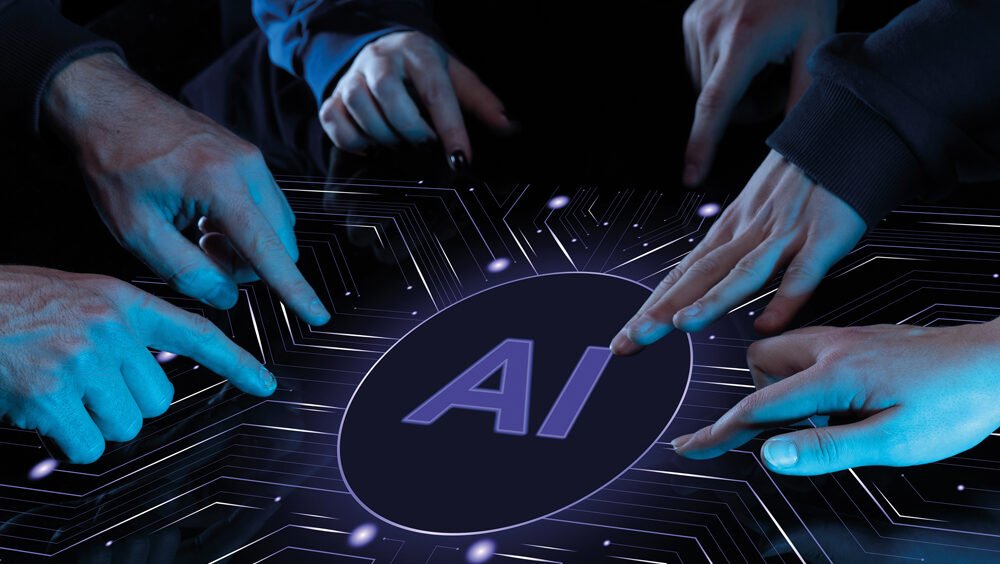
Three topics took centre stage: physics and artificial intelligence, the situation of early-career physicists, and the future of international collaboration in physics. The participants in the meeting adopted a declaration in which they highlighted the close connection between artificial intelligence and physics.
As a single meeting is not sufficient to fully examine these constantly evolving topic, they announced plans to establish a working group to examine the implications of increasingly powerful AI models for physics.
“AI is not just a new tool for science. AI will fundamentally change the way we conduct research and teach—and perhaps even the way we think and perceive the world. It is important to proactively address these questions and actively help shape the future of ‘physics with AI,’” says José María de Teresa, president of the EPS.
Heike Riel, President of the DPG, emphasizes: “The fact that the presidents of the physics societies from 25 European countries have gathered in Berlin underlines the importance of a joint European dialogue on the future of physics. The major challenges of our time can only be overcome through international cooperation, and physics will play a key role in harnessing the potential of artificial intelligence for the benefit of science and society.